The Voices That Carry the Mark
Most of us don’t experience pressure as pressure.
We experience it as voices.
Not audible voices.
Internal ones.
The voice that explains what just happened.
The voice that warns you not to mess this up.
The voice that tells you to try harder, stay composed, or disappear a little to keep the peace.
These voices aren’t random.
They formed under real conditions and learned how to keep you functioning when something felt at stake.
What claims us from the inside continues its claim through repetition—through the words we return to under pressure, the interpretations we trust, the instructions we obey when something feels at stake. Over time, the voices we listen to become the ones that shape us. They reinforce the mark, deepen its groove, and quietly define what is possible, permitted, or dangerous to be.
This is how branding becomes intrapersonal.
The voices that lead us are the ones that brand us.
That’s why you can understand yourself clearly and still react in ways you don’t agree with. It’s why insight doesn’t always translate into change. And it’s why pressure feels so personal: it activates the voices that learned how to protect you.
This work doesn’t try to silence those voices or replace them with better ones. It helps you recognize which voice is leading, what it’s trying to protect, and what happens when another authority is allowed to take the lead instead.
Each voice names a familiar way we respond when something feels at stake. The voices here don’t stand alone—they tend to cluster, escalate, and give way to one another. Begin with the one that feels closest, and follow what shows up alongside it.
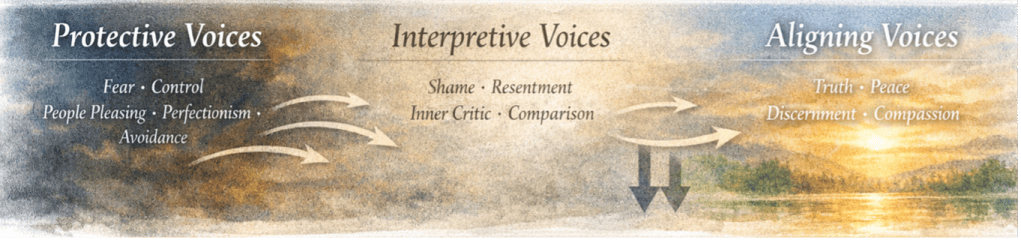
Protective Voices
Protective voices emerge when something feels at risk. They are the internal strategies we develop—often unconsciously—to stay safe, accepted, or intact under pressure. These voices are not flaws or failures. They are attempts at protection.
- Some focus on anticipating danger.
- Some try to manage outcomes.
- Some work to maintain approval.
- Some aim to eliminate mistakes.
- Some pull away altogether.
Each operates differently, but they share a common intention: to reduce threat and preserve stability when the environment—or our inner world—feels uncertain.
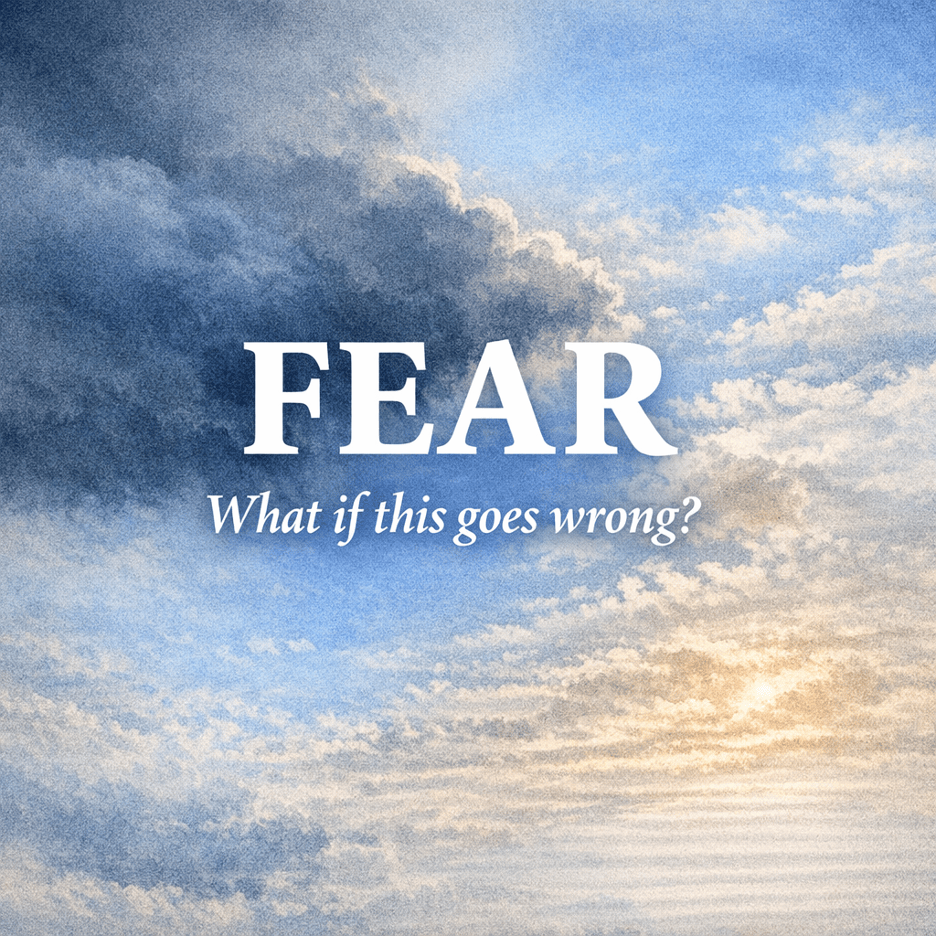
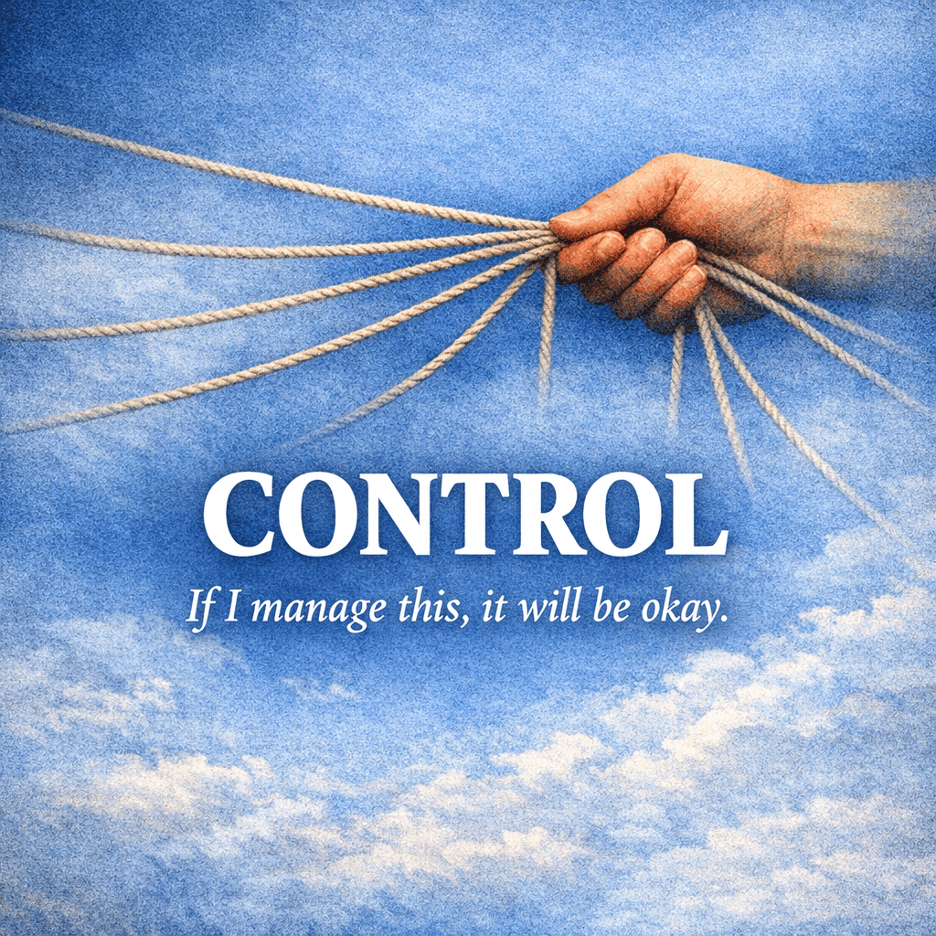
The boxes that follow name several of these protective voices. They are not ranked, sequenced, or treated as causes of one another. They are parallel ways the psyche responds when pressure rises. Noticing them is not about fixing or correcting. It is about recognizing how protection has been operating—often quietly, often for a long time.



Interpretive Voices
Interpretive voices make meaning. They help us explain what is happening, why it matters, and what it says about us, others, or the world around us.
These voices work quickly and often quietly. They connect events to stories, fill in gaps with assumptions, and draw conclusions that feel factual even when they are partial or unexamined. Over time, their interpretations can become the lens through which everything else is viewed.
Interpretive voices are not inherently wrong. They are attempts to understand experience and create coherence. But under pressure, they can narrow perspective, reinforce old narratives, or solidify conclusions that were never meant to carry so much weight.
The boxes that follow name several interpretive voices. They are not about correcting thoughts, but about noticing the stories being told—and how those stories shape perception, reaction, and identity.These voices tell you what things mean.



Aligning Voices
Aligning voices focus on direction. They orient us toward what feels right, true, or consistent with who we believe ourselves to be. These voices often show up as internal guidance—prompting choices, priorities, and commitments. They help us decide what to move toward, what to resist, and what to hold onto when circumstances are unclear.
Aligning voices can bring clarity and steadiness. But they can also become confused with obligation, expectation, or inherited standards—especially when alignment is defined externally rather than internally.
The boxes that follow explore different aligning voices. They are not instructions for decision‑making, but invitations to notice what is shaping direction, loyalty, and inner agreement over time.